
Practical visitor information
Planning your visit to Leuven? Below you’ll find essential information to help international conference attendees feel well‑prepared and comfortable during their stay.
Language
Dutch is the official language in Leuven.
English is widely spoken, especially in hotels, restaurants, shops and at the university. Most locals are used to interacting with international visitors.
Electricity and plugs
Belgium uses Type C and Type E plugs with a 230V / 50Hz power supply.
- Most European travellers do not need an adapter
- Visitors from the UK, US or Asia may need a plug adapter or voltage converter
Currency and payment methods
Belgium uses the euro (EUR).
Most places accept major credit and debit cards, and mobile or contactless payments are common.
- Widely accepted: Visa, Mastercard, Bancontact, Maestro
- Less accepted: American Express, Diners Club
- ATMs: Available throughout the city centre
Health and emergency services
- Emergency number: 112 (ambulance, police, fire)
- Pharmacies are widely available; night/weekend pharmacies are listed online and posted at local pharmacies
- EU citizens can use the EHIC card. Other visitors should check their travel insurance before departure
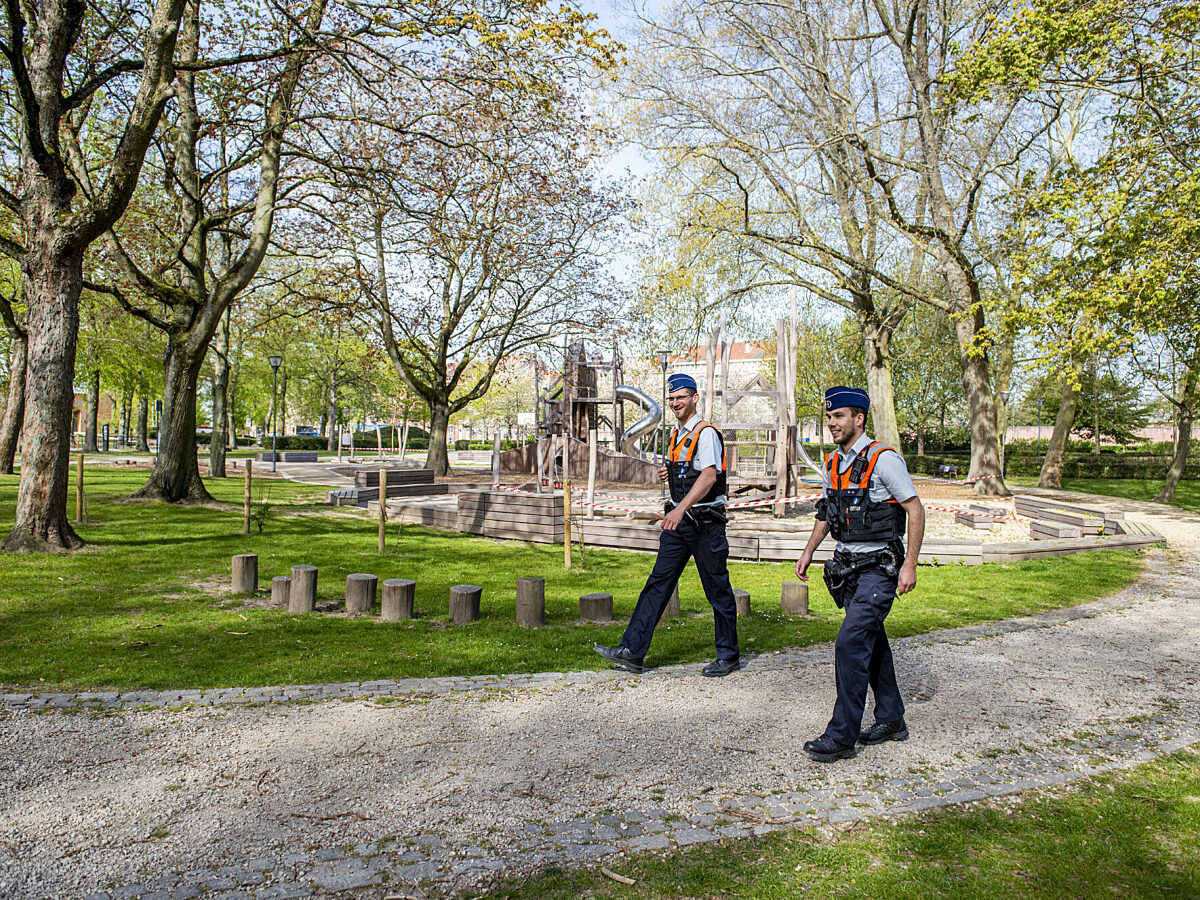
Safety
Leuven is generally considered a safe and welcoming city.
Its compact centre, active student environment and lively public spaces contribute to a secure atmosphere, also in the evening.
Recommended precautions:
- Keep personal items close in busy areas
- Use official taxis or public transport at night
Local police officers are approachable and accustomed to assisting international visitors.

Drinking water and food
Leuven offers safe drinking water and a broad range of reliable food options for visitors.
- Tap water is safe to drink throughout Leuven.
- The city offers a wide range of food and drink options, from restaurants and cafés to local shops and supermarkets.
- Leuven has a diverse culinary scene with national and international cuisine.
- Most restaurants are familiar with accommodating dietary needs, including allergies and specific food preferences.

Seasons and Weather
Leuven has a moderate maritime climate, with mild winters and pleasant summers.
- Spring (March–May): Mild temperatures with a mix of sunny and rainy days. Light layers and a waterproof jacket are recommended.
- Summer (June–August): Generally warm, with average temperatures between 20–25°C. Occasional hotter days can occur.
- Autumn (September–November): Moderate temperatures that gradually cool throughout the season. Rain becomes more frequent, especially later in autumn.
- Winter (December–February): Cool to cold, with temperatures around 0–7°C. Frost is possible, and days are shorter.
Cultural etiquette
Belgians value polite, clear communication. In professional settings, a handshake is standard.
- Punctuality is appreciated
- Interactions tend to be friendly but reserved
- Tipping is not required (service is included), though small tips for excellent service are welcomed
Accessibility
Leuven is a welcoming city that places a strong focus on accessibility for visitors. Many hotels, museums and attractions provide accessible facilities, and an overview of accessible routes, venues and accommodations is available on Leuven for everyone.
Public transport also offers adapted options for travellers with mobility, visual or auditory needs. Accessibility information and assistance services are provided by De Lijn and NMBS/SNCB.