
Designing for ‘Return on Experience’: How Leuven elevates conferences beyond content.
The way we evaluate conferences is changing. Where return on investment once dominated decision-making, organisers and delegates are increasingly focused on a different metric: ‘Return on experience’. The question is no longer just what participants will learn, but what they will feel, remember, and take with them long after the event ends.
For conference organisers, this shift requires a more intentional approach. Experience is not accidental; it is designed. It emerges from the interplay between content, interaction, and, quite crucially; the destination itself. Leuven offers a setting where return on experience can be actively shaped.

At the core of Leuven’s strength is its diverse and internationally recognised ecosystem.
As one of Europe’s leading knowledge hubs, the city brings together academic excellence, cutting-edge research, and a thriving network of innovative companies and start-ups. For organisers, this means access to a rich pool of speakers and contributors who are deeply embedded in real-world challenges. Rather than relying solely on external keynote speakers, conferences in Leuven can draw directly from this ecosystem, grounding their programme in expertise that is both relevant and forward-looking.
This ecosystem also enables formats that go beyond the conference room. Site visits and on-location workshops become a natural extension of the programme. Participants can engage with innovation where it happens, transforming abstract concepts into tangible experiences. These moments of immersion significantly enhance both engagement and memorability.

The venues themselves further contribute to this layered experience.
Leuven offers a range of inspiring settings that help shape the tone and narrative of a conference. Contemporary culture meets dialogue at M Leuven, while the soon-to-open Vesalius Museum will connect science, history, and storytelling in a unique way. For a more reflective atmosphere, Park Abbey provides a historic environment that invites slower, more meaningful exchanges.
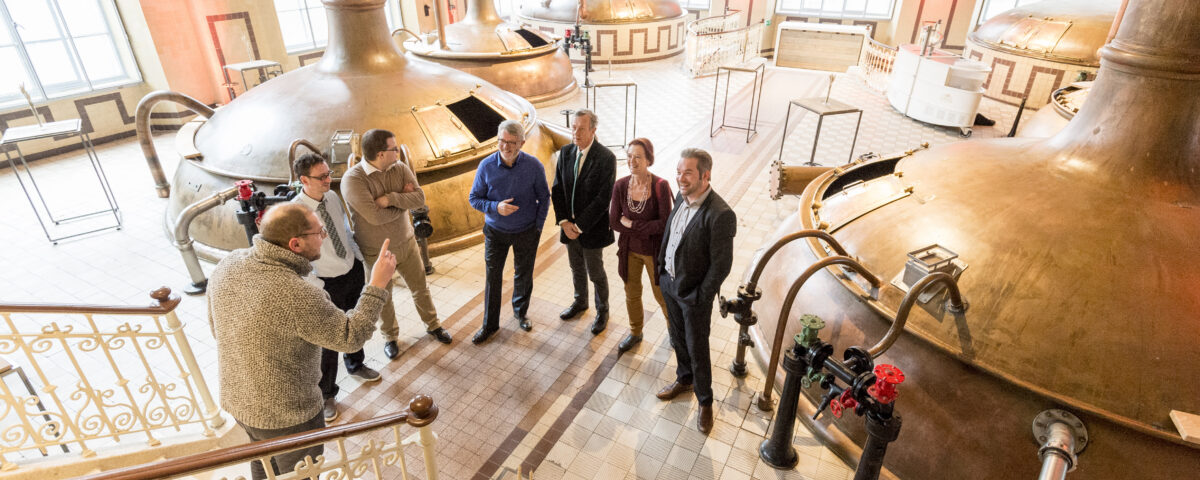
Leuven also accommodates more unconventional formats. De Hoorn, a former brewery reimagined as a creative venue, combines industrial heritage with contemporary energy. The Thermotechnical Institute offers a distinctive setting surrounded by a unique collection of thermotechnical and electrical machines, ideal for conferences looking to anchor discussions in a broader narrative of innovation.
Looking ahead, Leuven continues to invest in infrastructure that supports the evolving needs of conferences. A new venue on the Hertogensite will soon accommodate up to 1,000 participants, conceived as a hub for creativity, collaboration, and exchange. It reflects a clear ambition: to facilitate conferences that prioritise interaction, flexibility, and experience.
Beyond formal venues, the city itself becomes an integral part of the programme.
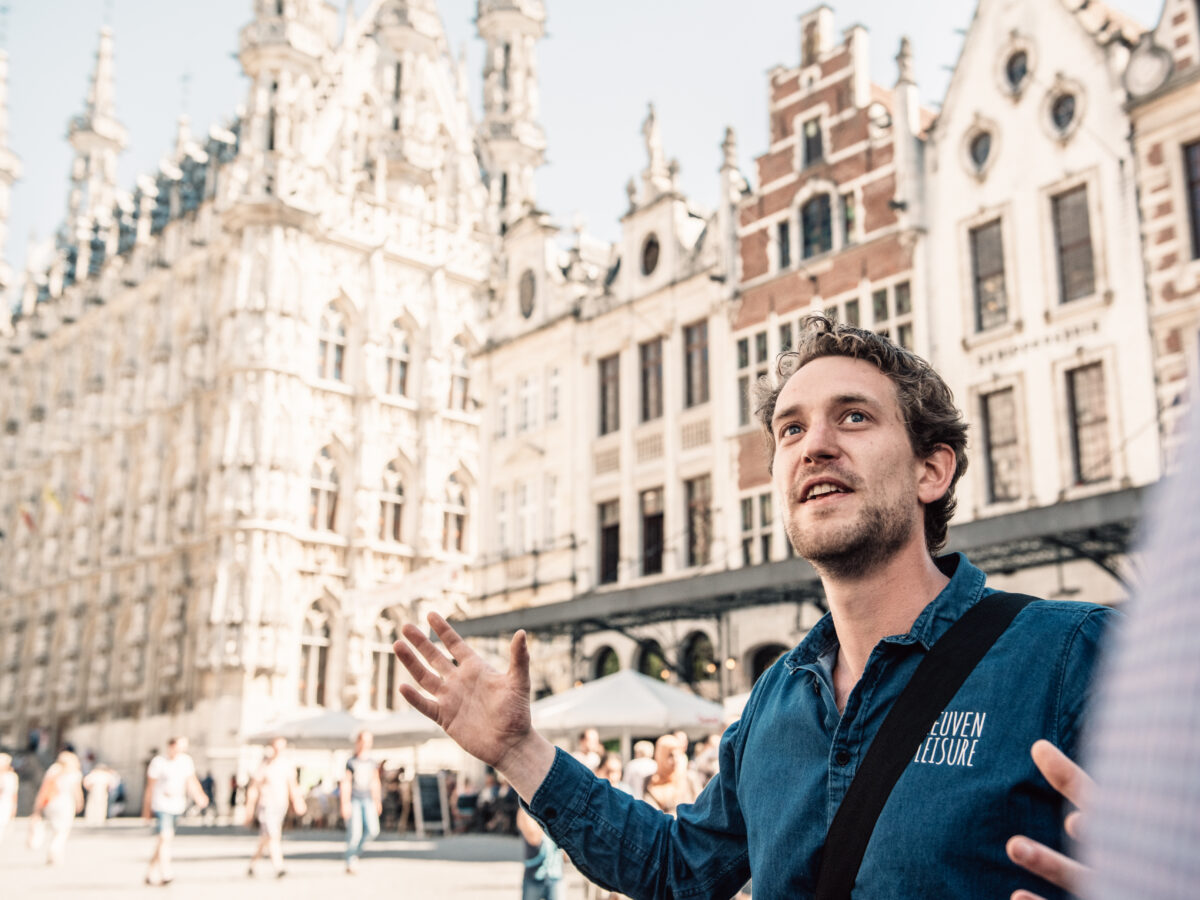
Through curated experiences by, for instance, Leuven Leisure, organisers can extend their conference into the urban landscape. Consider, for example, an evening experience where small groups navigate Leuven through a story-driven trail. Participants might uncover hidden university landmarks, engage in short collaborative challenges in historic courtyards, and end the evening sharing insights over local food and drinks. Such experiences foster connection, encourage informal exchange, and create the kind of shared memories that define return on experience.
Equally important is Leuven’s scale. As a city on a human scale, everything is within walking distance. Venues, hotels, cultural sites, and meeting spaces are closely connected, reducing logistical friction to a minimum. This compactness creates a natural flow throughout the programme and maximises opportunities for spontaneous encounters: often the moments where the most meaningful exchanges happen.
A city worth exploring between sessions
What further strengthens the experience is that Leuven is not only a backdrop for conferences, but also a city that invites exploration in the margins of the program. Its compact scale makes it easy to weave meaningful cultural moments into the agenda.
A few highlights:
- The historic heart of Leuven, with the Grote Markt and its iconic Town Hall, offers one of Europe’s most striking civic squares.
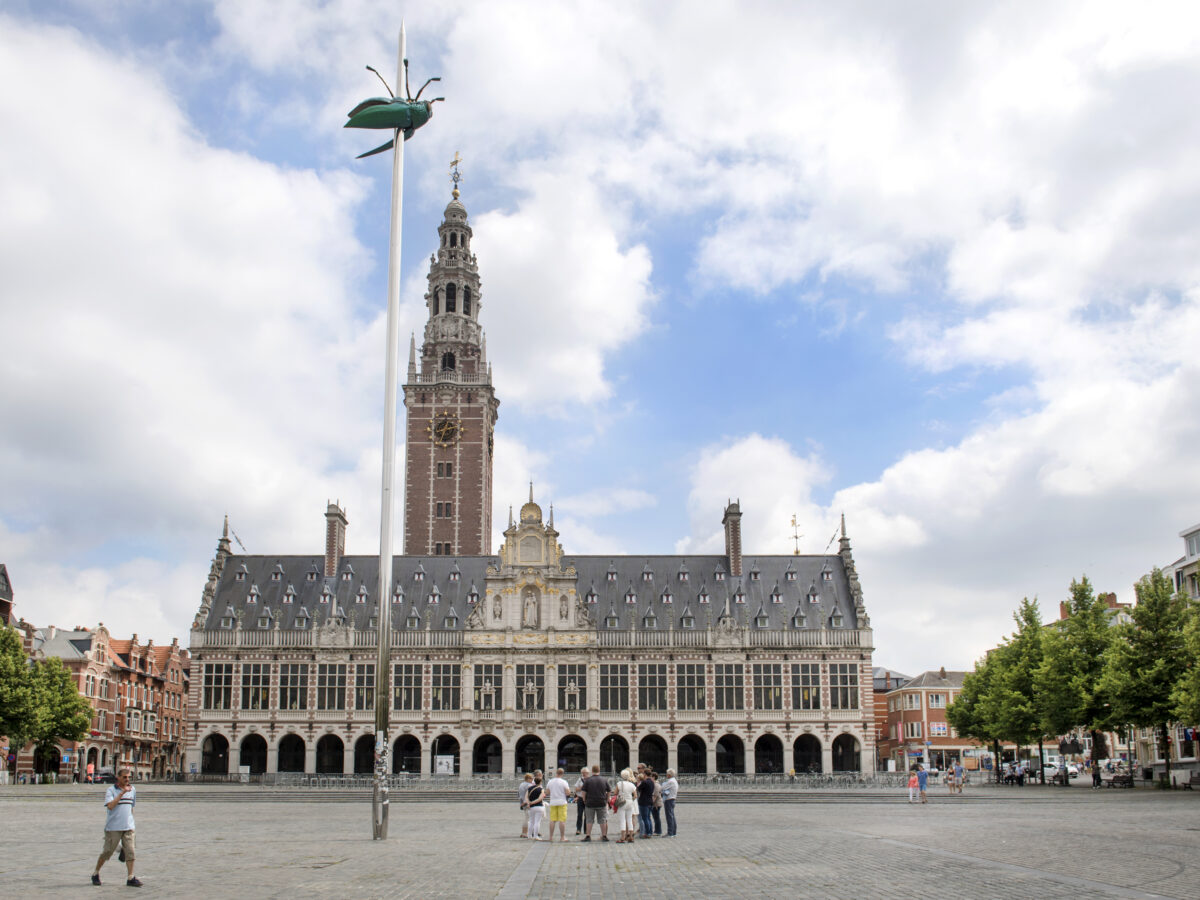
- The University Library & Tower on Ladeuzeplein combines architectural resilience with symbolic academic heritage, and provides panoramic views over the city.

- The Groot Begijnhof (UNESCO World Heritage site) offers a rare sense of calm within walking distance of the city center, making it particularly suited for quiet reflection or small group conversations.
- Park Abbey extends the conference experience into a contemplative heritage landscape where dialogue naturally slows down and deepens.
- The emerging Vesalius Museum will further strengthen Leuven’s identity as a city where science, medicine, and storytelling intersect in an accessible public space.

Leuven’s commitment to inclusivity further strengthens this experience.
The city was recently awarded second place in the European Capitals of Inclusion and Diversity, awarded by the European Commission, a recognition that reflects a broader culture of openness and accessibility. This is not an abstract label; it is something participants feel throughout their stay. The welcoming, safe atmosphere contributes to a sense of belonging that extends beyond the conference.
In a context where delegates are more selective about how they invest their time, return on experience becomes a decisive factor. Leuven supports this by acting not just as a host city, but as an active contributor to the conference journey: bringing together people, places, and ideas in a way that ensures the experience resonates long after the event concludes.