The power of context: how heritage can shape your conference.
What if your venue could inspire conversations, reinforce your theme and become part of the experience itself?
Discover our Flanders Heritage Venues.
Because sometimes the first story your delegates encounter is not the one told from the stage.
It is the room they have just walked into.
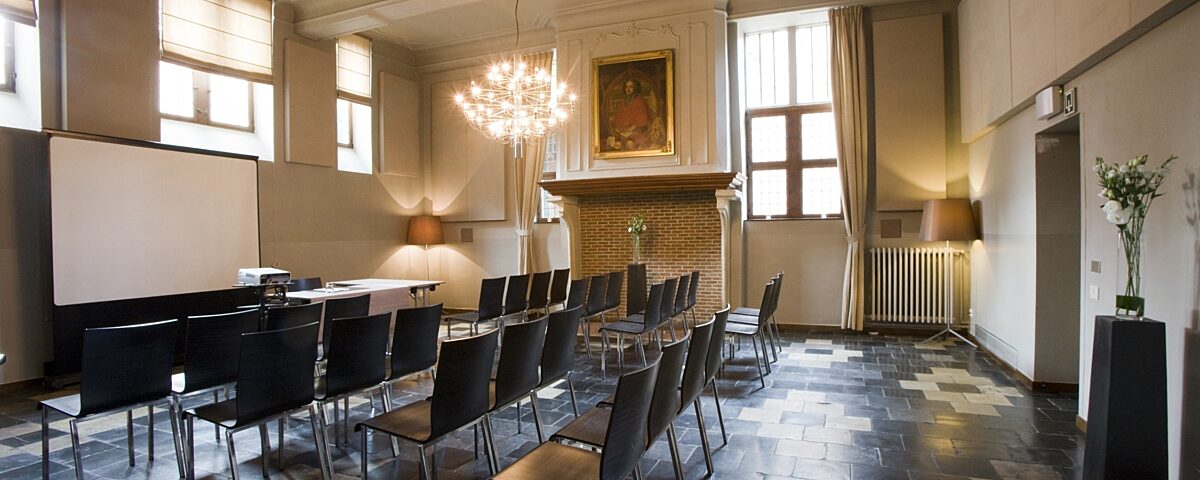
When planning a conference, choosing the right venue often starts with practical questions. How many people can it accommodate? Are there enough breakout rooms? Is the technology in place? Is it easy to reach?
All essential questions. But a venue does more than accommodate a programme. Long before the first speaker takes the stage, the setting has already created an atmosphere, shaped expectations and influenced how delegates encounter one another.
A former brewery does something different to a room than a traditional auditorium. An abbey invites a different pace. A centuries-old college carries associations of learning and exchange. The right surroundings can reinforce what a conference is trying to achieve.
In other words: your venue is not simply where your conference takes place. It can become part of the conference itself.
The power of context
A venue is never a neutral backdrop. Its architecture, atmosphere and history influence how delegates experience a conference and how they interact with one another.
A spacious setting can create a sense of openness. An intimate room can encourage conversation. A place steeped in history can invite reflection, while an industrial environment can evoke creativity and transformation.
For organisers, this creates an opportunity: the venue can become part of the conference narrative. When its story connects with the theme or purpose of the event, it adds another layer of meaning and can make the experience more memorable.
This is the idea behind the Flanders Heritage Venues network.
Across Flanders, remarkable historic locations combine heritage and contemporary conference facilities. In Leuven, organisers can choose from no fewer than five such venues, each bringing its own character and story to the conference experience.
Five venues, five different stories
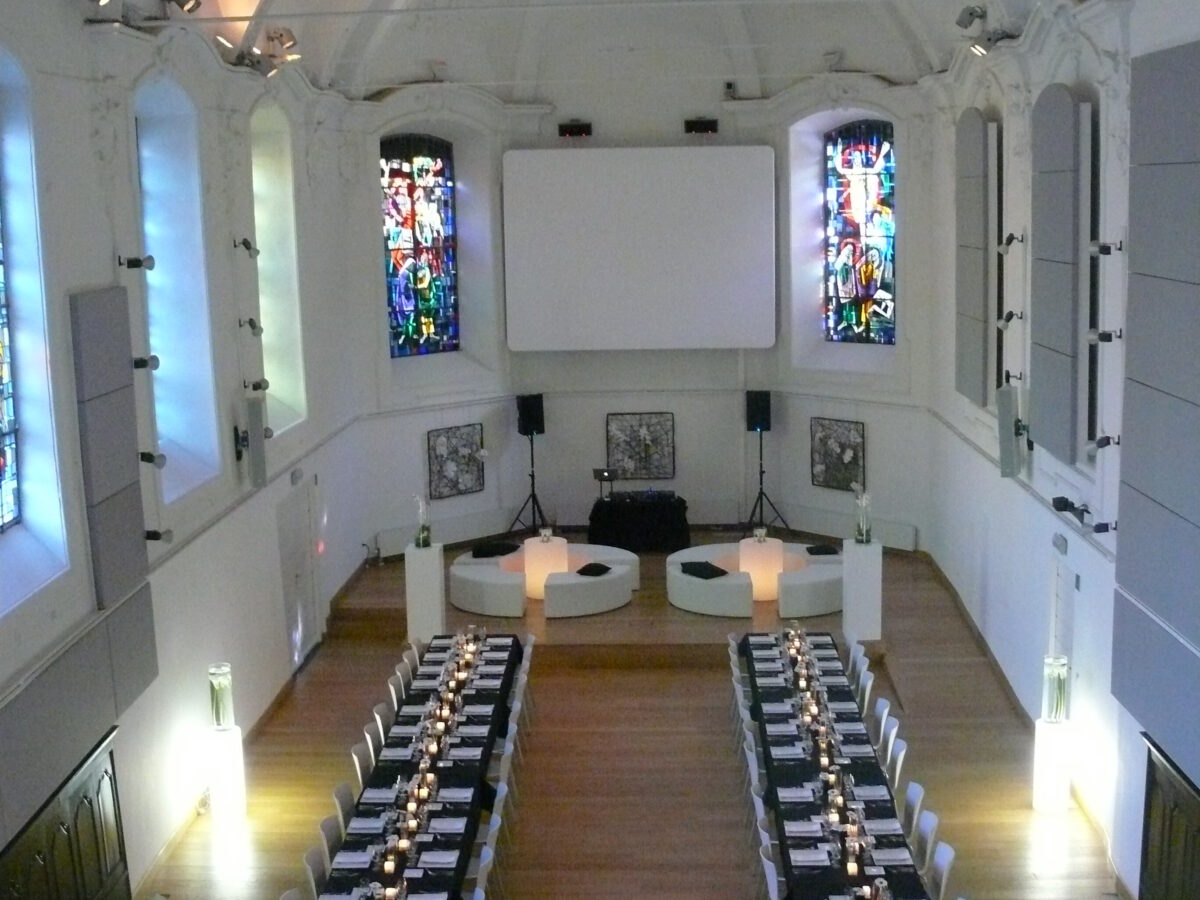
At Irish College Leuven, the connection with knowledge and international exchange is almost tangible. Founded 400 years ago by the Irish Franciscan Order as a centre of education, the college played an important role in strengthening links between Ireland and continental Europe. Today, the historic site has become a residential conference venue, with its former chapel transformed into a modern auditorium. Its courtyard and large garden provide quieter spaces where conversations can naturally continue between sessions.

De Hoorn tells a completely different story. This former brewery is the birthplace of Stella Artois, first brewed here in 1926. Its monumental brewing hall, copper kettles and industrial architecture remain visible, but the building has been transformed into a hub for creative businesses, meetings and events. It is a setting that speaks naturally about reinvention: preserving what gives a place its identity while giving it an entirely new purpose.
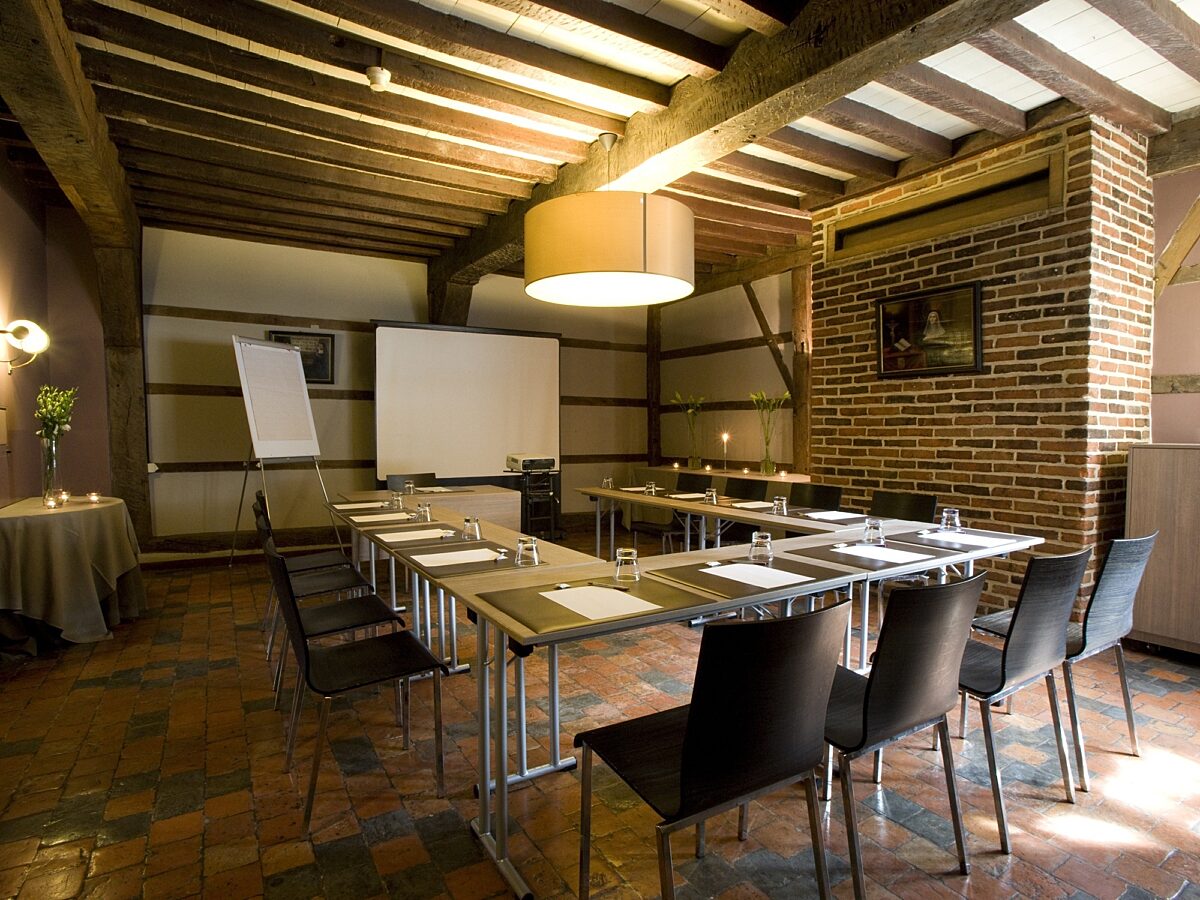
At Faculty Club, delegates meet within Leuven’s UNESCO-listed Grand Beguinage. Its historic buildings, cobbled streets and tranquil setting create an immediate contrast with the pace of a conventional conference day. Once a community in which women lived and worked with a remarkable degree of independence, the Beguinage has long been associated with reflection and intellectual life. Today, that heritage provides an atmospheric setting for conferences, dinners and conversations that benefit from a little more space and calm.
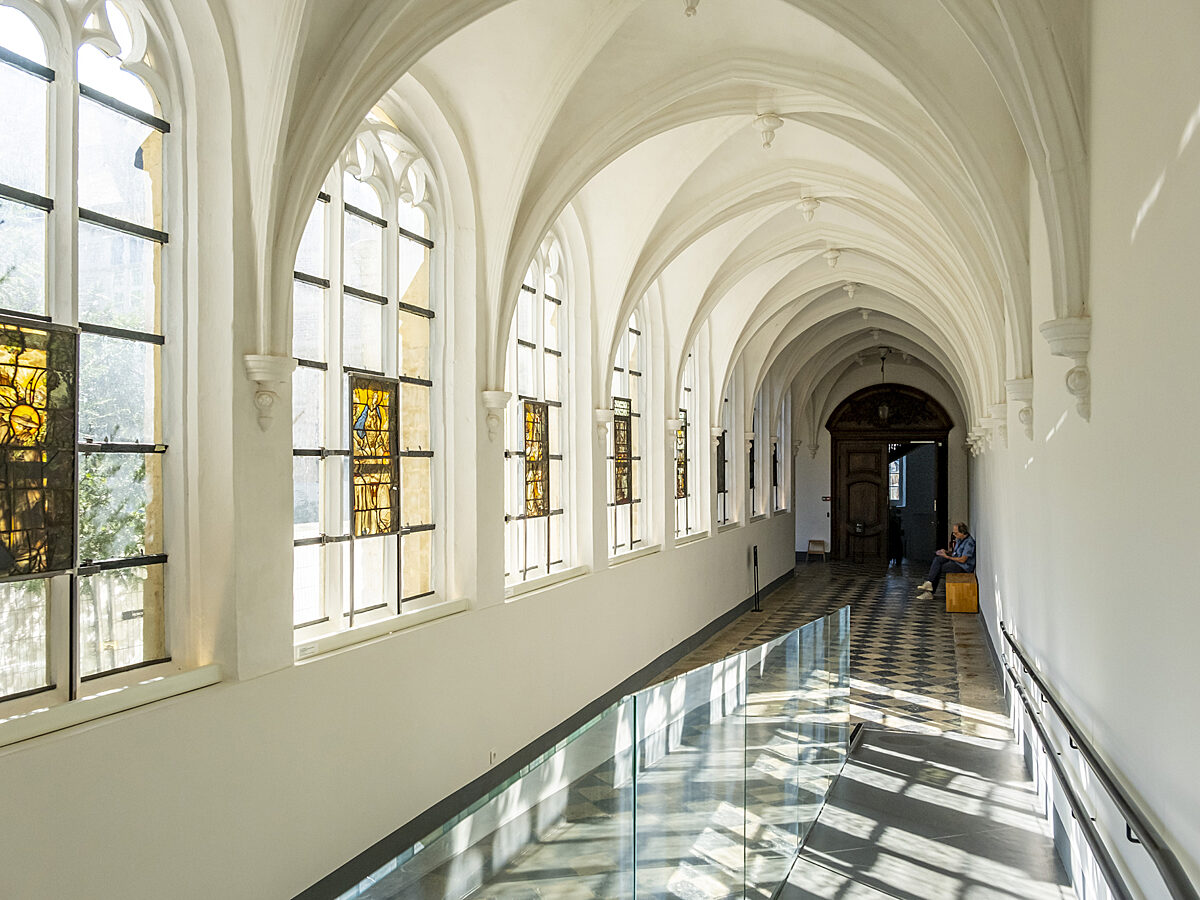
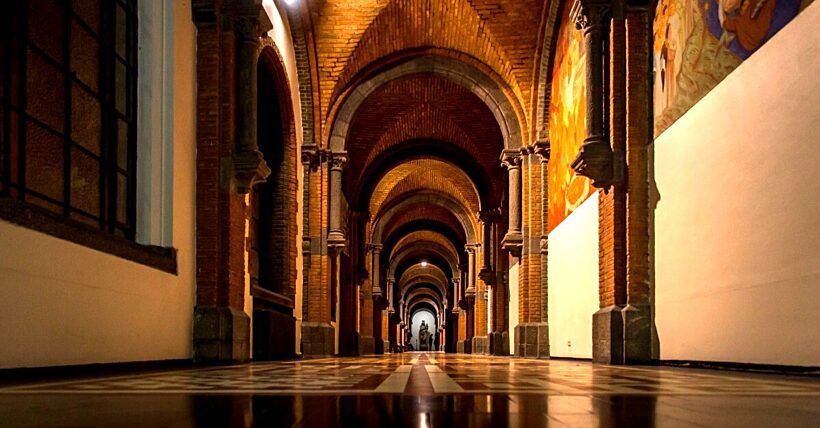
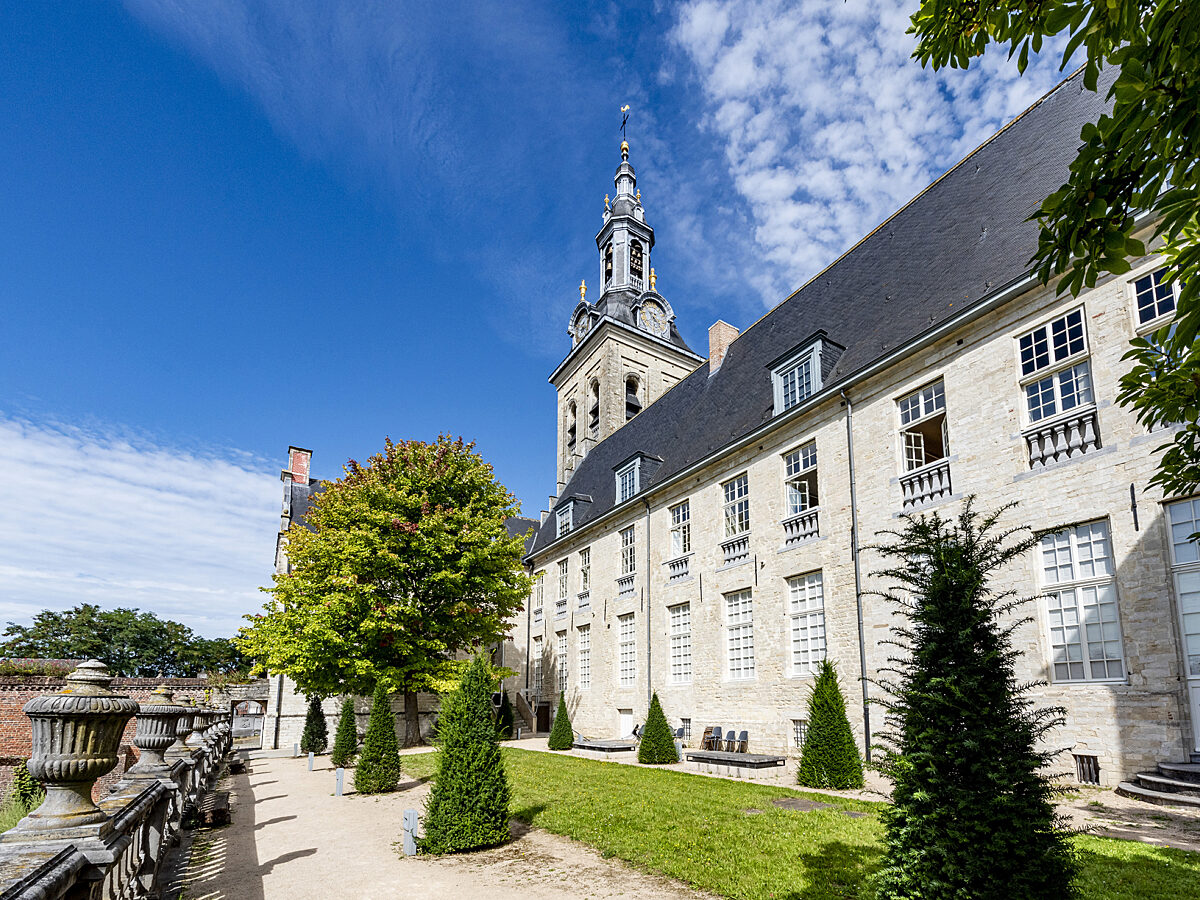
Just outside the historic centre, Park Abbey takes that sense of reflection even further. Founded in 1129 and remarkably well preserved, the abbey brings nearly nine centuries of history into the conference experience. Meetings can take place beneath a seventeenth-century stucco ceiling, alongside historic stained glass or in the former rooms of the abbot. Surrounded by protected green space yet close to central Leuven, the setting creates a natural opportunity to step outside the usual conference rhythm and make room for deeper exchange.

Leuven’s newest addition to the Flanders Heritage Venues network, Keizersberg, adds yet another perspective.
Perched on a green hill overlooking Leuven, the former Benedictine abbey combines monumental architecture and seclusion with a new community of students, entrepreneurs, artists, freelancers and social initiatives. A site once structured around monastic life is becoming a place for new forms of collaboration and encounter. For conferences interested in community, societal change or new ideas, the connection is an intriguing one.
When the venue becomes part of the experience.
What makes Leuven particularly interesting is the variety of its five heritage venues. Within one compact city, organisers can choose between industrial heritage, centuries of academic exchange, UNESCO-listed architecture and two very different abbey settings.
The question is no longer simply: Which venue has the capacity we need? What kind of atmosphere do you want to create? Which setting could reinforce your conference theme or encourage the conversations you want to spark?
And the experience can extend beyond the venue itself. With heritage sites, university buildings, restaurants and cultural attractions all within easy reach, Leuven itself can become part of the programme.
A remarkable venue cannot replace strong content, meaningful interaction or good organisation. But it can strengthen them.
Because sometimes the first story your delegates encounter is not the one told from the stage.
It is the room they have just walked into.